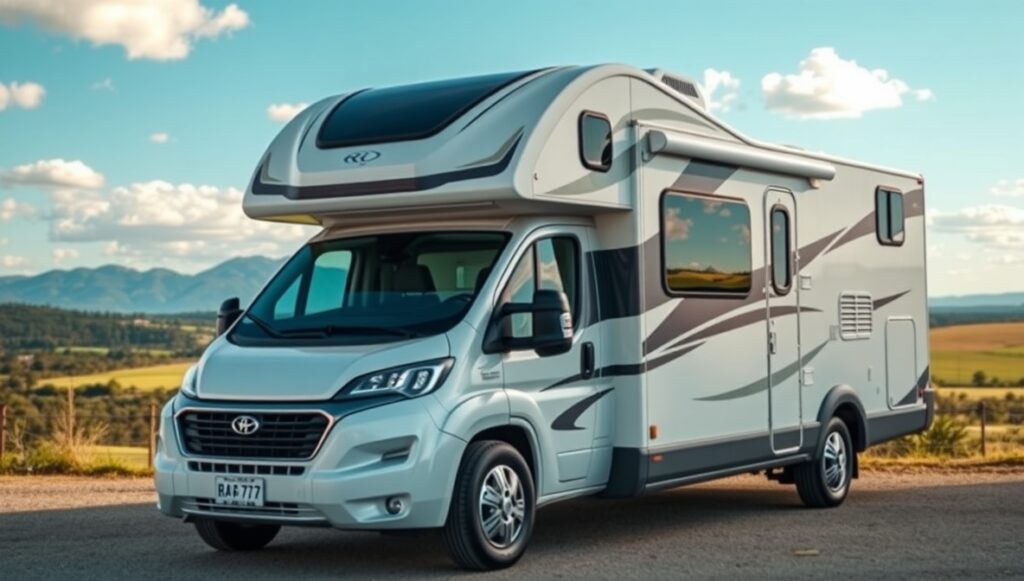
Owning an RV or camper offers freedom, flexibility, and adventure—but it also comes with unique insurance needs. RVs and campers combine elements of auto insurance, homeowners insurance, and travel insurance, which makes choosing the right coverage more complex than insuring a standard vehicle. Understanding how RV and camper insurance works helps you stay protected on the road and at the campsite.
This guide covers essential tips to help you choose the right RV or camper insurance and avoid costly coverage gaps.
What Is RV and Camper Insurance?
RV and camper insurance is specialized coverage designed for recreational vehicles, including:
Motorhomes (Class A, B, and C)
Travel trailers
Fifth-wheel trailers
Pop-up campers
Truck campers
Coverage varies depending on whether the RV is motorized or towed and how often it’s used.
RV Insurance vs Standard Auto Insurance
While motorhomes require auto insurance, a standard car policy usually isn’t enough. RV insurance often includes additional protections such as:
Living area coverage
Personal belongings protection
Vacation liability
Emergency expense coverage
Campers and trailers are often insured separately from the towing vehicle.
Key Coverages to Look For
Liability Coverage
Liability insurance covers injuries or property damage you cause while driving or using your RV. Higher liability limits are recommended due to the size and weight of RVs.
Collision and Comprehensive Coverage
These cover damage to your RV from:
Accidents
Theft
Fire
Storms and weather events
Vandalism
Animal strikes
Deductibles apply, just like auto insurance.
Personal Belongings Coverage
RVs often carry expensive personal items such as electronics, outdoor gear, and appliances. This coverage protects your belongings inside the RV.
Vacation Liability Coverage
Vacation liability protects you if someone is injured in or around your RV while it’s parked at a campsite—similar to homeowners liability insurance.
Emergency Expense Coverage
If your RV becomes uninhabitable due to a covered loss, this coverage may pay for:
Hotel stays
Meals
Transportation costs
This is especially valuable during long trips.
Roadside Assistance
RV-specific roadside assistance covers towing, tire changes, fuel delivery, and lockout services tailored to large vehicles.
How Full-Time vs Part-Time Use Affects Insurance
If you live in your RV full-time, you’ll need broader coverage similar to homeowners insurance, including higher liability and personal property limits.
Part-time or recreational use typically requires less extensive coverage.
Always be honest about how you use your RV—misclassification can lead to denied claims.
Replacement Cost vs Actual Cash Value
Some policies offer replacement cost coverage for newer RVs, while others pay actual cash value.
Replacement cost provides better protection but costs more. It’s often worth it for newer or high-value RVs.
How Much Does RV Insurance Cost?
Costs depend on:
Type and value of the RV
Usage (full-time vs recreational)
Driving history
Location
Coverage limits and deductibles
RV insurance is usually more expensive than car insurance but far less costly than replacing an RV after a loss.
Common RV and Camper Insurance Mistakes
Relying on standard auto insurance
Underinsuring personal belongings
Choosing low liability limits
Skipping vacation liability coverage
Not updating coverage after upgrades
Avoiding these mistakes ensures complete protection.
Tips to Save Money on RV Insurance
Bundle RV insurance with auto or home policies
Choose higher deductibles if affordable
Install safety and anti-theft devices
Maintain a clean driving record
Limit usage if possible
Smart adjustments can lower premiums without sacrificing protection.
When to Review Your RV Insurance
Review your policy:
Before long trips
After RV upgrades or modifications
When switching between part-time and full-time use
At renewal
Regular reviews prevent coverage gaps.
Final Thoughts
RV and camper insurance is about more than protecting a vehicle—it protects your lifestyle, travel plans, and financial security. The right policy ensures peace of mind whether you’re on a weekend getaway or a cross-country adventure.
Before hitting the road, make sure your coverage travels with you.