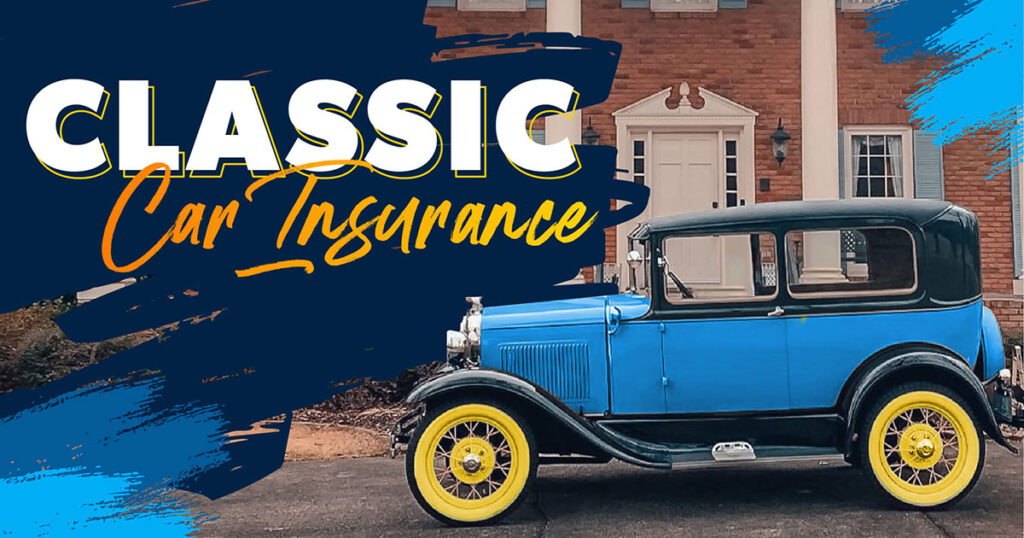
Classic cars are more than just vehicles—they’re collectibles, investments, and passion projects. Because of their unique value and limited use, classic cars require a different type of insurance than standard auto policies. Classic car insurance is designed to protect vintage and collectible vehicles properly, often at a lower cost than regular auto insurance when conditions are met.
This article explains how classic car insurance works, what it covers, how much it costs, and who qualifies.
What Is Classic Car Insurance?
Classic car insurance is specialized auto insurance for vehicles that are considered classic, antique, or collectible. Instead of using market value or depreciation, these policies are typically based on agreed value—a pre-determined amount agreed upon by you and the insurer.
If the car is totaled, you receive the agreed value, not a depreciated payout.
What Qualifies as a Classic Car?
Eligibility varies by insurer, but common requirements include:
Vehicle age (often 20–25+ years)
Well-maintained or restored condition
Limited annual mileage
Stored in a secure garage
Used primarily for pleasure, shows, or events
Another vehicle available for daily driving
Modified or rare vehicles may still qualify under collectible car programs.
What Classic Car Insurance Typically Covers
Agreed Value Coverage
This is the most important feature. You and the insurer agree on the vehicle’s value upfront, often supported by appraisals or documentation.
There is no depreciation in the event of a total loss.
Collision Coverage
Covers damage from accidents involving another vehicle or object, subject to a deductible.
Comprehensive Coverage
Protects against non-collision risks such as:
Theft
Fire
Vandalism
Weather damage
Falling objects
This is especially important for high-value classic cars.
Liability Coverage
Covers injuries or property damage you cause to others. Liability limits can often be higher than standard auto policies.
Spare Parts and Restoration Coverage
Some policies cover spare parts, tools, and restoration materials—important for collectors and restorers.
Roadside Assistance (Classic-Specific)
Many classic car policies include specialized roadside assistance designed for vintage vehicles.
What Classic Car Insurance Does NOT Cover
Common exclusions include:
Daily commuting
Commercial use
Racing or competitive events
Excessive mileage
Improper storage
Violating usage terms can result in denied claims.
How Much Does Classic Car Insurance Cost?
Classic car insurance is often cheaper than standard auto insurance because the vehicles are driven less and carefully maintained.
Costs depend on:
Agreed value of the car
Mileage limits
Storage conditions
Driver history
Location
Many owners are surprised by how affordable classic car insurance can be.
Mileage Limits and Usage Rules
Most policies set annual mileage limits. Common limits range from a few thousand miles per year, though higher limits may be available.
Usage is typically restricted to:
Pleasure driving
Car shows
Club events
Occasional trips
Daily use is usually excluded.
Appraisals and Documentation
Insurers may require:
Professional appraisals
Photos of the vehicle
Restoration records
Purchase receipts
Keeping documentation updated helps ensure proper valuation.
Classic Car Insurance vs Standard Auto Insurance
Standard auto insurance:
Uses actual cash value
Applies depreciation
Often undervalues classics
Classic car insurance:
Uses agreed value
No depreciation
Tailored coverage
For collectible vehicles, standard policies often leave owners underinsured.
Common Mistakes Classic Car Owners Make
Insuring a classic under a standard policy
Underestimating vehicle value
Ignoring storage requirements
Exceeding mileage limits
Not updating agreed value after restoration
Avoiding these mistakes ensures full protection.
How to Choose the Right Classic Car Policy
Confirm agreed value coverage
Understand mileage and usage limits
Check restoration and spare parts coverage
Review storage requirements
Choose insurers specializing in classic vehicles
Specialty insurers usually offer better terms than general auto insurers.
Final Thoughts
Classic car insurance protects more than transportation—it protects history, craftsmanship, and investment value. With agreed value coverage, specialized protection, and often lower premiums, it’s the smart choice for anyone who owns a classic or collectible vehicle.
If your car is irreplaceable, your insurance should treat it that way.